Central America · March 2024
Costa Rica for Grown-Ups: Rainforest and Beach Without Roughing It
A practical Costa Rica itinerary that balances jungle lodges, wildlife, and beach time with real comfort.
Before you read on
Central America · March 2024
A practical Costa Rica itinerary that balances jungle lodges, wildlife, and beach time with real comfort.
Costa Rica’s “Pura Vida” branding is everywhere in the tourism marketing, but it holds up better than most travel slogans because the country has genuinely built its infrastructure around it — a stable democracy, no standing military, and a national identity wrapped around conservation that shows up in how well-run the parks and reserves actually are. What that means for a trip is fewer of the friction points that make some destinations harder work: English is widely spoken in tourist areas, the tourism industry is mature, and the eco-lodge concept here isn’t a niche — it’s mainstream, with real amenities available at every price point from mid-range to genuinely luxurious.
This is the single most important practical thing to know before planning a multi-region Costa Rica trip: the country is small on a map, but the roads are slow. Mountainous terrain, unpaved stretches even on some fairly major routes, and rain-affected conditions mean a drive that looks like ninety minutes on a map can easily take three or four hours. For this reason, domestic flights and helicopter transfers between regions are common here in a way they wouldn’t be in a similarly-sized country with better roads — plenty of travelers fly between San José and a regional airstrip near Arenal or Guanacaste rather than drive, and it’s worth pricing that option rather than assuming a rental car is always the better plan.
A very common and sensible structure is pairing the Arenal Volcano area with a beach stretch, either Manuel Antonio on the central Pacific coast or the Guanacaste beaches further north. Arenal gives you the volcano views, hanging bridges, waterfalls, and the region’s well-developed hot springs resorts — a genuinely relaxing few days built around thermal pools fed by the volcanic activity nearby. From there, shifting to Manuel Antonio or Guanacaste for the back half of the trip gives you the beach-and-wildlife combination the country is known for, since both areas border national parks with reliable wildlife viewing alongside their beaches.
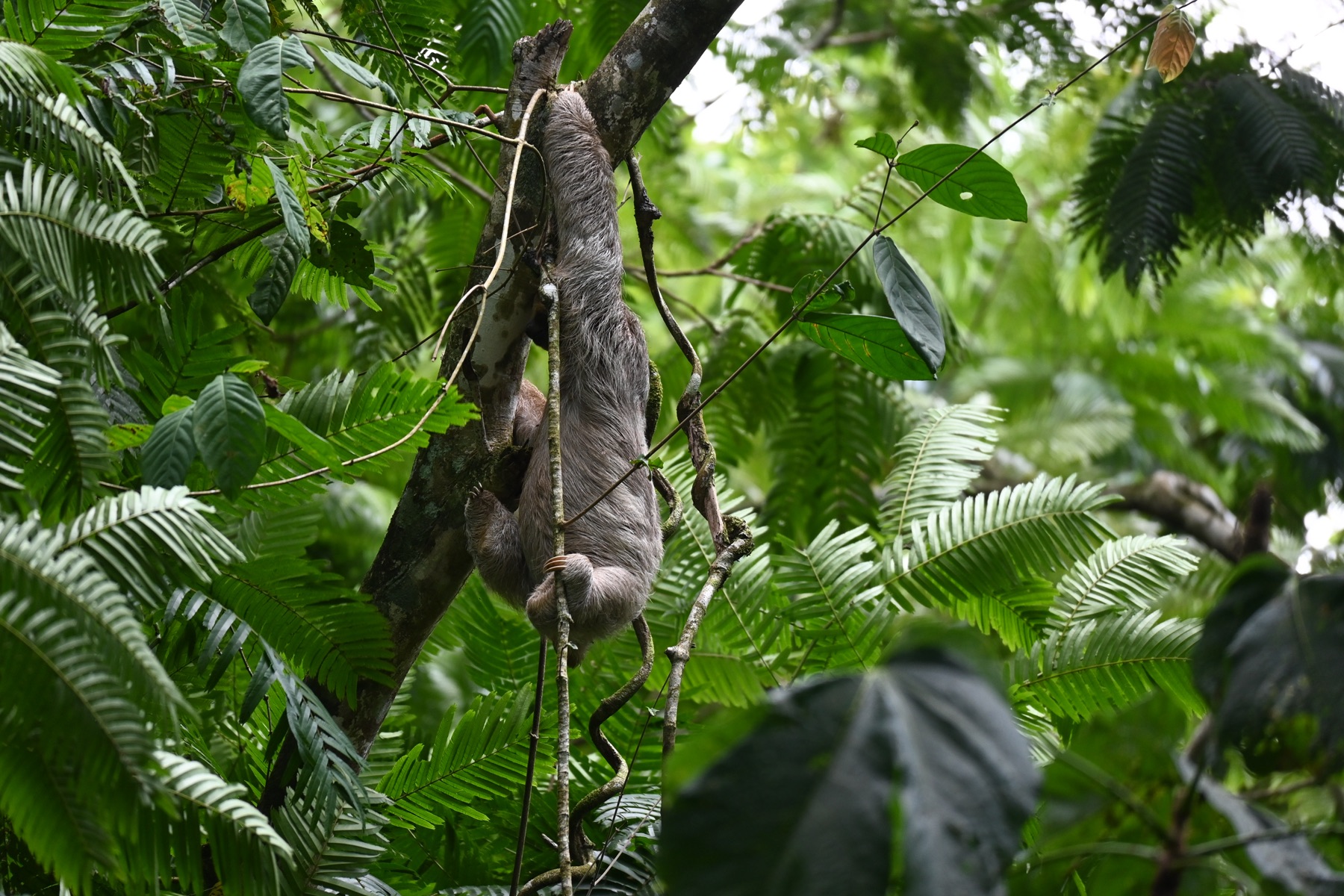
Costa Rica’s reputation for wildlife is well earned, but seeing it takes a bit of intention rather than luck. A guide makes a real difference — local naturalist guides know where the sloths, monkeys, and birds tend to be and can spot camouflaged animals that most visitors would walk right past. Early morning is consistently the best window, both because animals are more active before the heat of the day sets in and because the trails are quieter. Manuel Antonio National Park and the Arenal-area reserves are both well set up for this with marked trails and readily available guided tours.
Costa Rica has a strong backpacker and budget-travel reputation from decades past, but that’s only one layer of what’s available now. Eco-lodges here range from simple to genuinely upscale, and “eco” doesn’t mean roughing it — you’ll find properties with real air conditioning, good restaurants, spa facilities, and comfortable beds that happen to also be built with sustainability in mind and surrounded by rainforest. This is a country where you can have an active, nature-focused trip without sacrificing the comfort level that matters more to us now than it did a couple of decades ago.
US dollars are widely accepted throughout the country, often interchangeably with the local currency, the colón, so you don’t need to stress over currency exchange the way you might elsewhere. For getting around, a rental car gives you the most flexibility if you’re comfortable with mountain roads and the occasional unpaved stretch, but private transfers are a very reasonable alternative, especially between regions where the driving time is long — they cost more than self-driving but remove the stress of navigating unfamiliar roads, which for a lot of travelers our age is a fair trade.
Good to know: travel insurance is worth buying for a Costa Rica trip specifically because of the activities that tend to be on the itinerary. Zip-lining, white-water rafting, and other adventure activities are common here, and some standard travel insurance policies exclude them by default or require a separate rider. Check the activity exclusions on your policy before you go, not after you’ve booked the canopy tour.
Planning a similar trip?
Compare hotel prices and flight options before you lock in dates — same sites we actually use.
Booking.com
The broadest hotel and apartment inventory worldwide, free cancellation on most rooms.
Kayak
Our go-to for comparing flight prices and setting price-drop alerts before booking.
Discover Cars
Consistently the best-value car rental comparison site for international trips.