Caribbean · May 2017
Cuba: Havana, Cienfuegos, and Trinidad by Casa Particular
A loop through three cities, staying with local hosts the whole way rather than in hotels.
Before you read on
Caribbean · May 2017
A loop through three cities, staying with local hosts the whole way rather than in hotels.
Our May 2017 trip through Cuba was structured around a genuinely different way of traveling: staying the whole way with casas particulares, Cuba’s long-standing system of private homestay accommodation, rather than in hotels. We stayed with Aimara in Havana, then Barbara Tahimi in Cienfuegos, then Barbaro Tardío in Trinidad, before looping back to Havana and staying with Aimara again ahead of our flight home. Casas particulares generally mean staying in a spare room or attached apartment with a local family rather than in a standard hotel room, and that difference shaped the whole trip — more conversation, more home-cooked meals, and a considerably more personal window into daily Cuban life than a hotel stay would have given us.
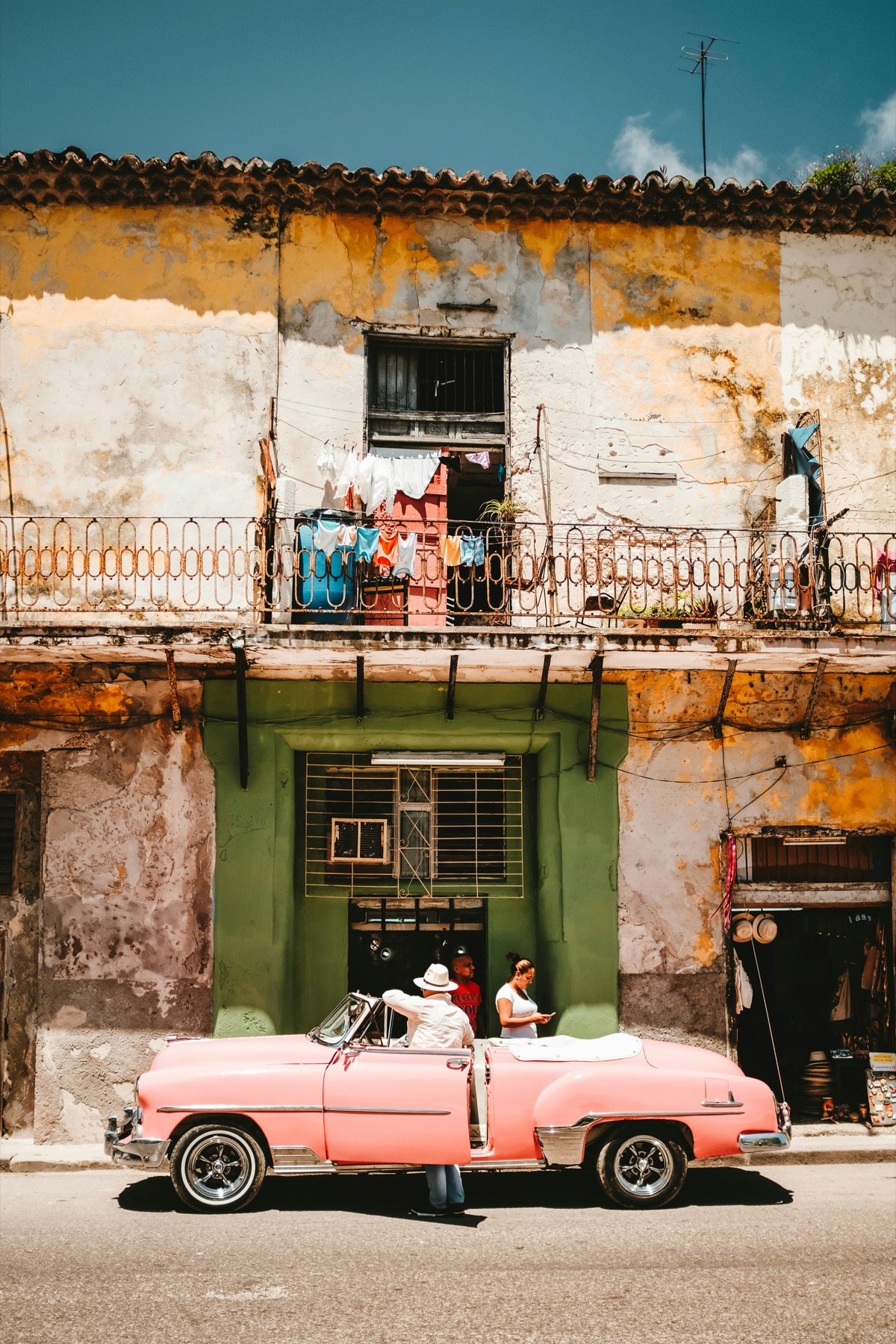
Havana bookended the trip in both directions, and it’s an obvious hub for a Cuba itinerary given its role as the main international gateway. Habana Vieja, the old town, is a UNESCO World Heritage site, its colonial-era streets and plazas layered with the particular faded grandeur Cuba is known for in photographs — though seeing it in person, with its street life, music, and genuine wear-and-tear alongside the restored buildings, is a different experience from any photo. Returning to Aimara’s for our final nights gave the trip a nice sense of coming full circle, arriving back somewhere already familiar rather than starting fresh again.
From Havana we headed to Cienfuegos, staying with Barbara Tahimi. Cienfuegos sits on Cuba’s south coast and is considerably less visited than Havana or Trinidad, a genuine colonial port city with a French-influenced architectural history that gives it a different visual character from the rest of the country. It made for a good decompression stop between the intensity of Havana and the more touristed streets of Trinidad still ahead of us — quieter, less crowded, and a good place to feel like we were seeing an ordinary Cuban city rather than a place built around visitors.
Trinidad, where we stayed with Barbaro Tardío, is widely regarded as one of Cuba’s best-preserved colonial towns, its cobblestone streets and pastel-colored houses largely unchanged in character for a long stretch of its history. The pace here felt slower than anywhere else on the trip, and it’s easy to understand why the town draws so many visitors despite being smaller than Havana or Cienfuegos — there’s a stillness to it that the bigger cities don’t really have.
Choosing casas particulares over hotels for the entire trip meant every stop came with a host who’d tell us where to eat, what was worth seeing that week, and generally treat us more like temporary members of the household than paying guests passing through. It’s a genuinely different kind of trip from a hotel-based itinerary, and one we’d recommend to anyone visiting Cuba who wants more than a surface-level look at the country. Moving between four different homes across the loop also meant the trip had a different rhythm than a typical hotel-hopping itinerary — each arrival came with an actual introduction to the household rather than a check-in desk, and each departure felt a little more like a proper goodbye.
Cuba’s practical travel logistics — entry requirements, currency arrangements, and the extent to which foreign cards (particularly US-issued ones) are usable on the ground — have a real history of being complicated and have changed more than once over the years we’ve been following Cuba travel. Rather than state anything here as current fact, we’d strongly encourage anyone planning a Cuba trip to verify entry requirements, currency rules, and card acceptance directly with official and current sources close to their travel dates, since none of this should be assumed to still match what was true when we visited. In general terms, cash has historically played a much larger role in Cuba than in most other Caribbean destinations, and it’s worth planning your trip with that in mind until you’ve confirmed the current situation for yourself.
[Editor’s note: add what this trip actually meant to you both — the hosts, the meals, the feel of each city — and swap in your own photos when ready.]
Planning a similar trip?
Compare hotel prices and flight options before you lock in dates — same sites we actually use.
Booking.com
The broadest hotel and apartment inventory worldwide, free cancellation on most rooms.
Kayak
Our go-to for comparing flight prices and setting price-drop alerts before booking.
Discover Cars
Consistently the best-value car rental comparison site for international trips.